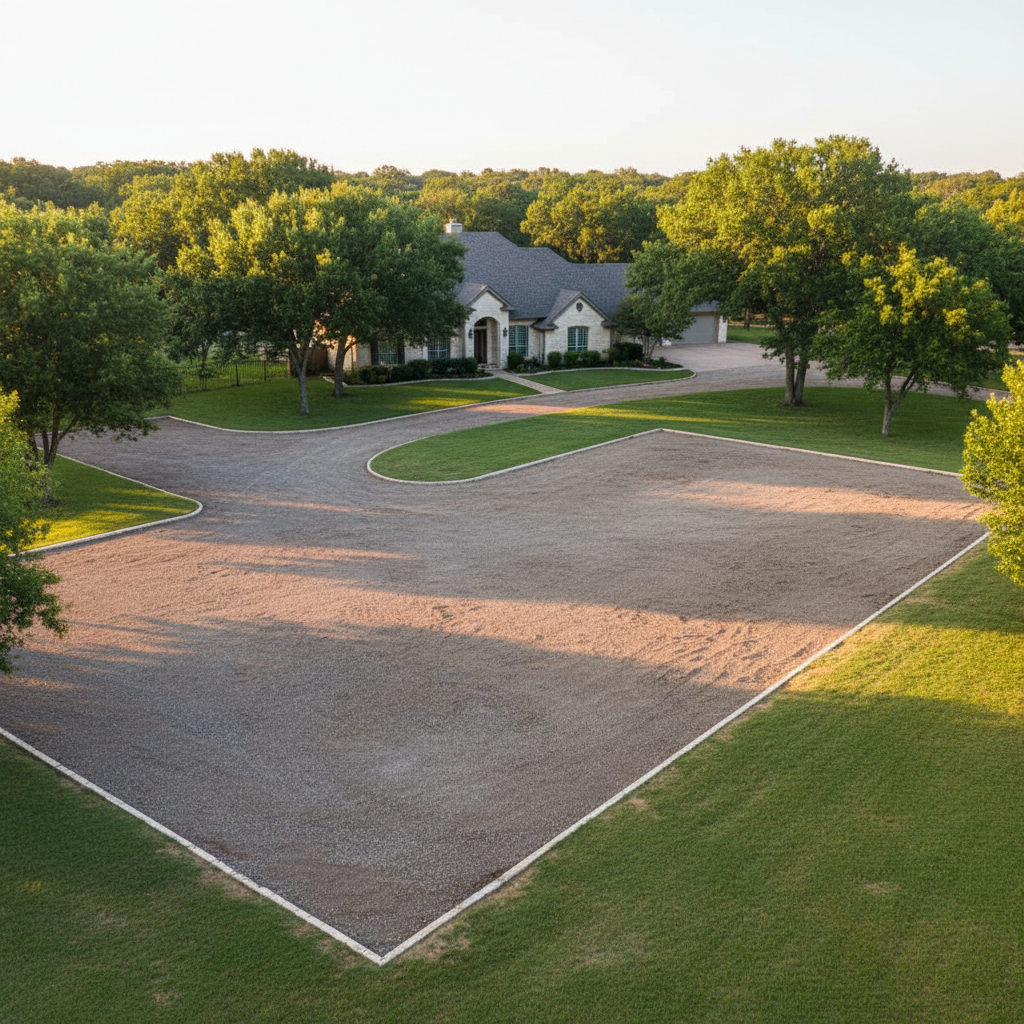
Alright, so you're thinking about an asphalt milling project for your place here in Fredericksburg. Maybe your old driveway is looking pretty rough, or your private road has just seen better days, and you figure milling is the smart way to go. It's often a really good choice, especially if you want to reuse that old material and end up with a super durable surface. But hey, just like any big project, you can't just jump in without a plan. You need to know what's coming.
Project Timeline: What to Expect
Let's talk timeline first, because that's usually the first thing folks want to know. From your first call to us or another contractor, right up to the day we're packing up our gear, it's not an overnight job. Typically, you're looking at a few weeks, maybe even a month or two, depending on the season and how busy we are. Here’s a rough idea of how it usually breaks down:
- Initial Contact & Site Visit: This part is usually pretty quick, maybe a few days to a week. We'll come out, check out your property, measure things up, and chat about what you're hoping to achieve.
- Quote & Contract: Getting a detailed quote can take a few more days. Once you've got it and you're happy, signing the contract locks in the price and exactly what we'll be doing.
- Scheduling: This is where you might have to wait a bit. Good contractors are busy, especially during our milder spring and fall weather here in the Hill Country. We're often booked out a couple of weeks, sometimes more. We'll give you an estimated start date.
- Permits (if needed): For bigger projects, especially if you're working near public roads or doing major drainage work, you might need a permit from the city or county. We can usually help you figure this out, but it definitely adds time.
- The Work Itself: For a typical residential driveway or private road, the actual milling and laying down new asphalt can take anywhere from a couple of days to a week. It really just depends on the size and how complicated it is. We work efficiently, but we never cut corners.
- Curing Time: Once it's all done, you'll need to stay off it for a little while. We'll tell you exactly how long, but it's usually 24-48 hours before light traffic, and a bit longer before heavy vehicles.
What Happens During the Milling Process?
So, what does it actually look like when we're on site? It's a pretty straightforward process, but it uses some serious machinery. First, we'll prep the area, making sure it’s clear. Then, the milling machine — that's a big piece of equipment with a rotating drum full of teeth — comes in. It shaves off the top layer of your existing asphalt to a specific depth we've decided on. This creates a rough, textured surface, which is perfect for a new layer of asphalt to stick to. All that old asphalt gets collected right into trucks, and we haul it away to be recycled. That's one of the big perks of milling, isn't it? It's good for the environment. After the milling, we'll clean the surface really well, apply a tack coat (think of it like glue for the new asphalt), and then lay down the fresh hot mix. We compact it with rollers until it's smooth and dense. It's a bit noisy and dusty for a day or two, but it’s quite something to watch.
How to Prepare Your Property
You've got a role to play too, to make sure everything goes smoothly. Before we show up, here's what you need to do:
- Clear the Area: Move any vehicles, trailers, boats, or anything else off the driveway or road. We need a completely clear path.
- Trim Vegetation: If you've got low-hanging tree branches or bushes right next to the work area, trim them back. Our equipment is big, and we don't want to damage your landscaping or our machines.
- Mark Sprinklers/Utilities: If you have any sprinkler heads, invisible dog fences, or shallow utility lines near the edge of the asphalt, mark them clearly with flags or paint. We're careful, but it's always better safe than sorry.
- Plan for Access: You won't be able to use the area during the work, and for a day or two afterward. Make sure you have alternative parking or access planned. If you've got deliveries coming, reschedule them.
- Secure Pets: Keep your pets indoors or in a secure area away from the construction. It's loud, and there will be heavy equipment moving around.
Questions to Ask Before Signing
Before you commit to a contractor, you really need to be asking the right questions. Don't be shy. This is your property and your money, after all. Here at Fredericksburg Asphalt Solutions, we actually encourage it.
- What's the exact scope of work? Make sure the quote clearly spells out everything: milling depth, new asphalt thickness, any base work, drainage adjustments, and so on.
- What kind of asphalt mix will you use? Different mixes have different properties. For our climate here, with our hot summers and occasional freezes, you want a durable, appropriate mix.
- What's your warranty? A good contractor stands behind their work. Ask about the warranty period and what it covers.
- Do you handle all necessary permits? Some contractors will pull them for you; others expect you to. Clarify this upfront.
- How do you handle unforeseen issues? What if we hit a hidden old water line or discover a major soft spot in the subgrade? How will that affect the timeline and cost?
- What's the payment schedule? When are deposits due, and when are final payments expected?
- Can you provide references? Ask for contact info for a couple of recent milling projects they've done locally.
- Are you licensed and insured? This is non-negotiable. Always verify.
Milling is a smart investment for a long-lasting surface. By planning ahead and asking the right questions, you'll ensure your project goes smoothly and you end up with a great result.