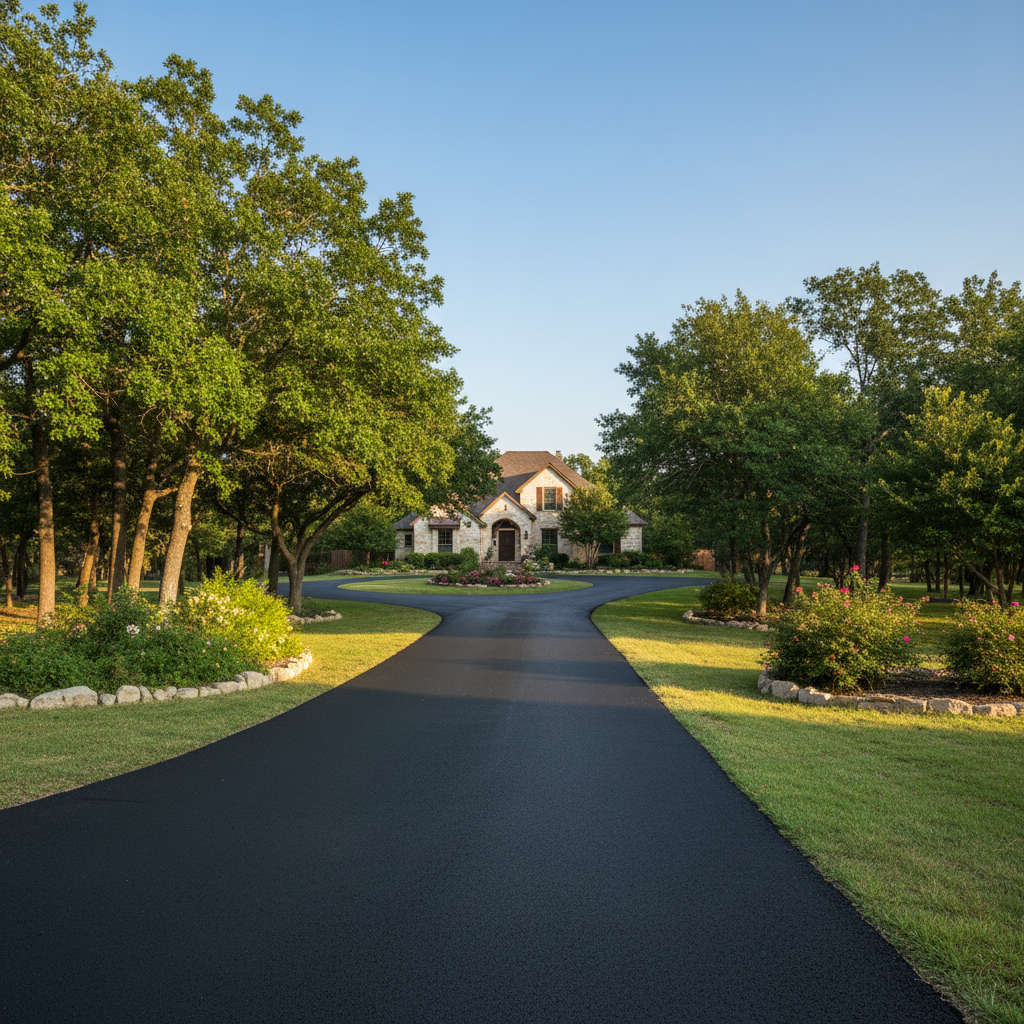
So, you're thinking about a new asphalt driveway, or maybe some big repairs, and you're probably asking yourself, "When's the best time to actually get this done?" That's a really smart question, because here in Fredericksburg, our weather isn't always kind to asphalt. Timing, honestly, is everything. You can't just pave whenever you feel like it and expect the job to last. I've been doing this for ages, and I've certainly seen what works and what absolutely doesn't with our specific climate.
Fredericksburg's Climate and Your Asphalt: What You Need to Know
Our climate here in the Texas Hill Country is pretty unique, isn't it? We get those super hot summers, mild winters, and sometimes a whole lot of rain in between. All of that stuff plays a huge role in how well asphalt cures and performs. Asphalt, at its heart, is a mix of aggregates and a binder – that black, sticky stuff – and it needs specific conditions to set up correctly. If it's too cold, it just won't compact right. Too hot, and it can be too soft, getting damaged before it even cures. And too wet? Well, water and asphalt mix definitely don't get along.
Just think about those scorching August days when the thermometer hits 100 degrees for weeks on end. That's really not ideal for fresh asphalt. The material stays too pliable for too long, making it vulnerable to rutting or damage from vehicles turning sharply. On the flip side, those rare winter days when it dips below freezing? Also not good. The asphalt cools too quickly, which stops proper compaction and bonding. That can lead to cracks showing up way too soon.
When to Schedule Your Asphalt Work
So, what's the sweet spot? Generally, I tell folks the best times for major asphalt paving or significant repairs are spring and fall. We're talking late March through May, and then again from late September through early November. During these months, the daytime temperatures are usually consistently between 60 and 85 degrees Fahrenheit. This range lets the asphalt stay workable for us during installation, but then cool and compact properly for a strong, durable surface.
If you're just doing some minor crack filling or sealcoating, you've got a bit more flexibility. You still want dry conditions, and temperatures above 50 degrees for sealcoat to cure right, but it's not as critical as laying down a whole new driveway. Even then, you don't want to rush it. A lot of folks in the Vineyard Ridge area, with their long, winding driveways, often try to get work done in summer. But I always advise against it for anything beyond small patches.
Weather Conditions That Affect the Job
Beyond just temperature, rain is the biggest enemy of asphalt installation. We simply can't pave on a wet subgrade or if there's standing water. The asphalt won't bond, and you'll end up with a weak spot that'll fail quickly. Even a light drizzle can mess up the process. That's why we're always watching the forecast closely. If rain is predicted, we'll likely reschedule. It's always better to wait a few days than to do a job that won't last, right?
Humidity can also play a role, especially for sealcoating. High humidity can really slow down the drying and curing process, meaning you'll need to keep traffic off your driveway for longer. Wind isn't usually a deal-breaker, but strong winds can affect how quickly the asphalt cools, and can blow debris onto a fresh surface, so we factor that in too.
Protecting Your Investment Year-Round
Once you've got that beautiful new asphalt driveway from Fredericksburg Asphalt Solutions, you definitely want to keep it looking good and performing well. Here's what you need to do:
- Keep it Clean: Don't let oil, gas, or other chemicals sit on your asphalt. They can break down the binder. Clean spills immediately with a mild detergent and water.
- Watch for Cracks: Even with the best installation, cracks can appear over time due to ground movement or temperature fluctuations. Fill them promptly. Small cracks are easy to fix; ignored cracks become potholes.
- Sealcoat Regularly: Every 2-3 years, depending on traffic and sun exposure, apply a good quality sealcoat. This protects the asphalt from UV rays, water penetration, and oxidation. It's like sunscreen for your driveway.
- Manage Drainage: Make sure water drains away from your driveway, not onto it or pooling on it. Proper drainage is key to preventing water damage and erosion underneath the asphalt. If you've got a slope, ensure your gutters and landscaping aren't directing water right onto the pavement.
- Avoid Heavy Loads: Try not to park heavy RVs or equipment on your asphalt for extended periods, especially during hot weather. Concentrated weight can cause depressions or ruts when the asphalt is soft.
Taking care of your asphalt isn't just about making it look nice; it's about extending its life and avoiding costly repairs down the road. A little proactive maintenance goes a long way, especially with our Texas weather. If you've got questions about your specific situation, give us a call. We're always happy to talk asphalt.