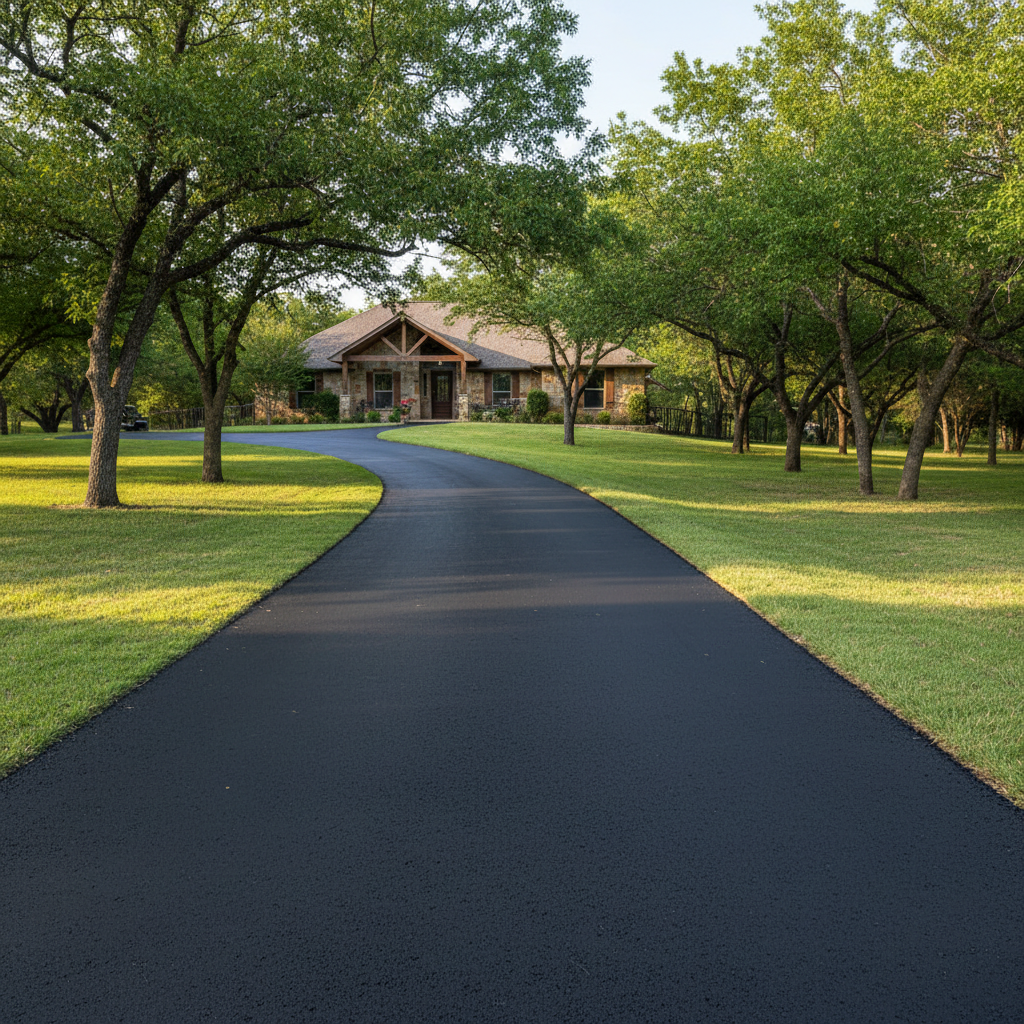
You've got a beautiful home here in Fredericksburg, and chances are, you've got a driveway that gets a lot of use. Whether it's asphalt or concrete, that driveway is a big investment, and you want it to last. I've seen too many driveways around Gillespie County fall apart way too soon because folks don't know the simple things they can do to keep them in top shape. Let's talk about how to extend its life, what regular maintenance looks like, and when you really need to give a pro like us a call.
Extend Your Driveway's Life: Simple Habits That Make a Difference
The biggest thing you can do to make your driveway last is to be mindful of what you put on it and how you use it. It sounds simple, but it's true. For asphalt, one of the worst enemies is oil and gas spills. Our hot Texas sun bakes that stuff right into the pavement, breaking down the binder and softening the surface. If you have a leaky vehicle, try to fix it quickly. If a spill happens, clean it up immediately with an absorbent material like cat litter or sand, then scrub it with a stiff brush and a mild detergent. Don't let it sit.
For concrete, stains are more of an aesthetic issue, but oil can still weaken the surface over time. Same drill: clean it fast. Another big one for both types of driveways is heavy loads. If you're constantly parking heavy RVs, trailers, or commercial vehicles in the same spot, you're putting a lot of stress on that pavement. Try to vary where you park, or if you know you'll have a permanent heavy load, make sure your driveway was built to handle it from the start. That's something we always discuss with our clients at Fredericksburg Asphalt Solutions when we're planning a new installation.
Finally, keep an eye on drainage. Water is the enemy of all pavement. If water is pooling on your driveway, especially near the edges or in low spots, it's going to find its way underneath and start eroding the base. That's when you get cracks and potholes. Make sure your gutters are working, and if you see standing water, it's a sign something isn't draining right.
Regular Maintenance: Your Driveway's Best Friend
Think of your driveway like your car; it needs regular check-ups. For asphalt, sealcoating is your best friend. I recommend it every 2-3 years, depending on traffic and sun exposure. Our Fredericksburg summers are brutal, and that intense UV radiation dries out the asphalt, making it brittle and prone to cracking. Sealcoating puts a fresh protective layer on top, sealing tiny cracks, restoring its color, and protecting it from sun, water, and oil. It's a relatively inexpensive way to add years to your driveway's life.
For concrete, regular cleaning is key. Power washing once a year can remove dirt, grime, and mildew that can build up, especially in shaded areas. You can also apply a concrete sealer every few years. This helps repel water and stains, making it easier to clean and protecting it from our freeze-thaw cycles in winter, which can cause surface spalling.
Both types of driveways benefit from keeping them clear of debris. Sweep off leaves, dirt, and gravel regularly. Leaves can hold moisture, and gravel can get ground into the surface by tires, causing wear. Also, address weeds and grass growing in cracks immediately. Those roots can expand and make small cracks much bigger.
Warning Signs: Don't Ignore These Red Flags
You're driving on your driveway every day, so you're in the best position to spot problems early. Here's what to look for:
- Cracks: Any crack, big or small, needs attention. Small cracks let water in, and once water gets under the pavement, it starts to erode the base. In Fredericksburg, with our expansive clay soils, cracks can open up quickly if the ground shifts. Seal them up!
- Potholes: These are beyond cracks; they're actual holes where the pavement has failed. They're dangerous, they get worse fast, and they mean water is getting into your base layer.
- Fading or Discoloration: For asphalt, this means the binder is drying out and losing its protective qualities. It's a sign you're overdue for sealcoating. For concrete, severe discoloration might mean a sealing issue or just a need for a good cleaning.
- Pooling Water: We talked about this. If you see water sitting on your driveway for hours after a rain, you've got a drainage problem that needs fixing.
- Raveling (Asphalt): This is when the aggregate (the small stones) starts to come loose from the asphalt surface. It looks like the driveway is unraveling. It means the binder is failing, and the surface is deteriorating.
- Spalling or Flaking (Concrete): This is when the surface of the concrete starts to peel or flake off. It's often caused by freeze-thaw cycles or poor finishing, and it exposes the concrete to further damage.
When to Call a Professional
You can handle small crack sealing and regular cleaning yourself, but there are times when you really need to bring in the experts. If you see widespread cracking, large potholes, significant drainage issues, or areas where the pavement is sinking or heaving, it's time to call us. These issues usually point to a problem with the base layer or a structural failure that a DIY fix won't solve. We've got the equipment and the know-how to properly diagnose the problem and repair it right, ensuring it lasts. Don't wait until a small problem becomes a complete driveway replacement. Catching these issues early saves you money and headaches in the long run.